Since 2010, Treehouse Innovation has helped ambitious organisations shape the future – not just react to it. We combine innovation strategy, human-centred design and practical AI expertise to turn bold ideas into meaningful change, and help build thriving cultures of innovation in even the most risk-averse sectors.
Future strategy
Create powerful strategies to propel your business forward, in partnership with your people.
We can help you with
Innovation strategy - Innovation culture - Business transformation - Event design
Innovation
Design your next breakthrough product, service, brand or experience.
Explore innovation services
We can help you with
Innovation projects - New product and service design - Building your innovation function
Upskilling
Equip your people with critical future skills to thrive in the age of constant change.
Explore upskilling
We can help you with
Design thinking workshops - Innovation training - i2: Power skills - AI adoption
Two new ways to build innovation capability
One builds the leaders who set the conditions for innovation. The other puts a team to work on a real business challenge. Ninety seconds each.
Leading Innovation
An immersive programme for senior managers, executive teams and boards. One or two days building the mindsets, behaviours and tools to lead innovation with confidence.
Explore Leading InnovationThe Solution Sprint
Four two-hour virtual workshops over four weeks. A team tackles a real business challenge and picks up the essentials of human centred innovation, without leaving their day jobs.
Explore the Solution SprintAI Transformation
Artificial Intelligence is transforming how organisations create value, but technology alone isn't enough. Our Human-Centred AI workshops help leaders identify the right opportunities, accelerate innovation and build the leadership, culture and capability needed to turn AI into lasting business impact.
Explore topics including AI strategy · Design thinking with AI · AI adoption · Leadership in the age of AI · Practical AI tools for innovation teams
In our clients’ words
“The sprint was a clear demonstration of the power of creative collaboration to make policy making faster, more agile, and dynamic.”
Read the case study
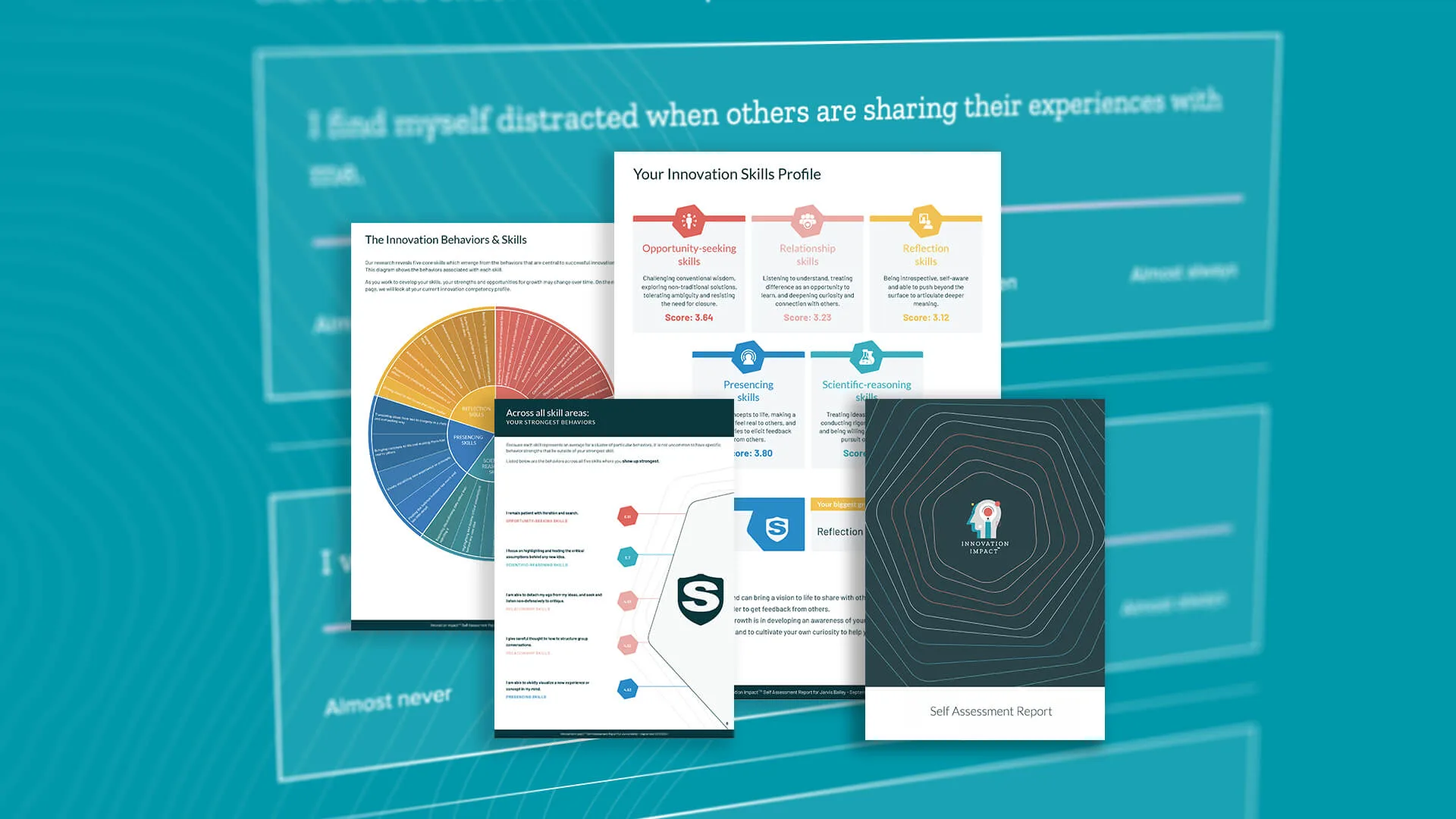
“With the assessment we are able to deliver a more impactful leadership development experience for our participants by helping them self-reflect on the behaviours they need to be sharp on in order to thrive in these times of change.”
Read the case study
“Innovative thinking is hugely important in helping us raise money and awareness of the projects we support. I was delighted to see the results of the design thinking process through Sprintbase and I’m looking forward to seeing some of the great ideas come to fruition.”
Read the case study
Tell us what you are trying to change, and we will tell you whether we can help.
Schedule a free consultationTreehouse Innovation Clients

























Latest from our blog
All things innovative and interesting

Outputs vs. Outcomes
AI can make it easier to create more things, more quickly. But this post asks a…
Read more
How design thinking gives you competitive advantage
Standing out from the competition is more challenging than ever. It’s not enough to offer a…
Read moreWhat we post on social media

Listening Skills at Work: The Human Advantage in an Age of AI
Here's a scenario most of us have been in. A meeting. Someone is speaking. And while…
View on LinkedIn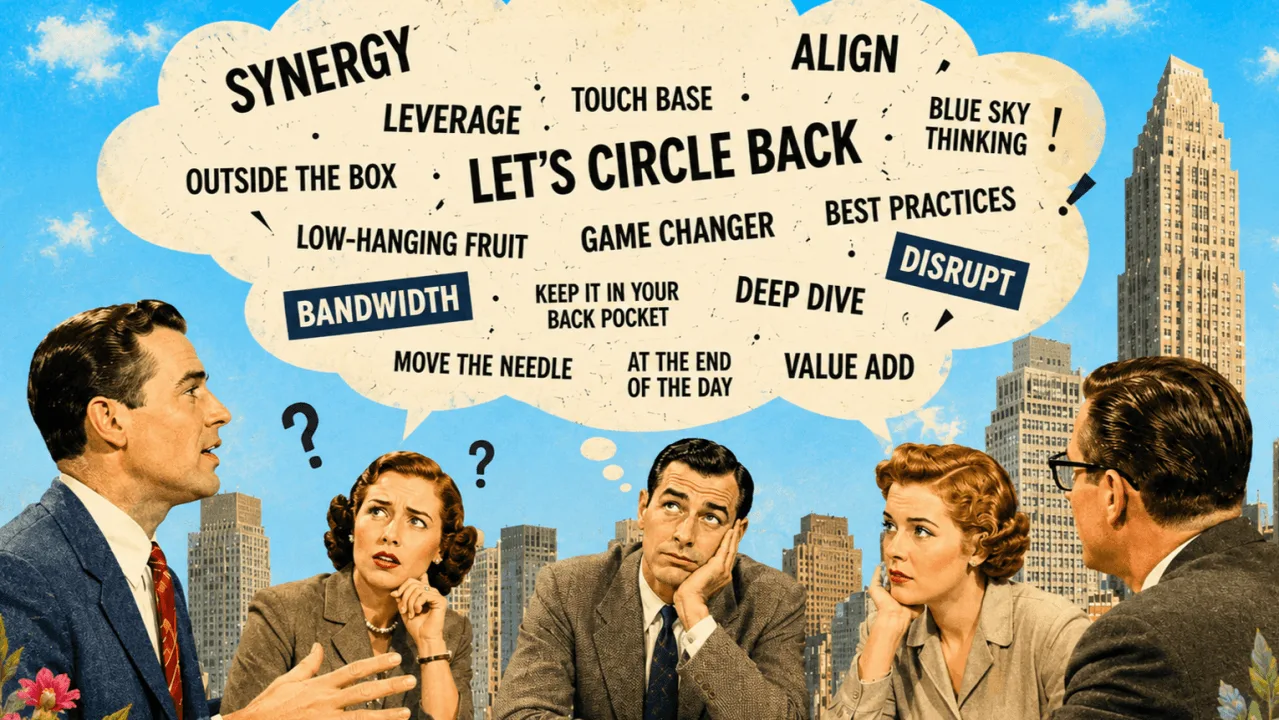
Cutting through the noise: The collective ick of business speak
Our latest article looks at the collective ick of business speak, where it came from, why…
View on LinkedInThe Treehouse team
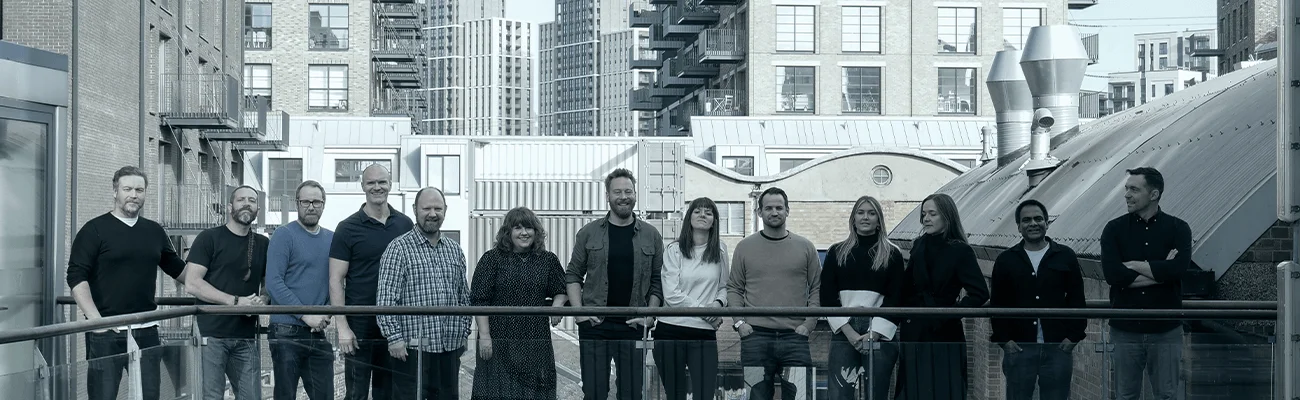
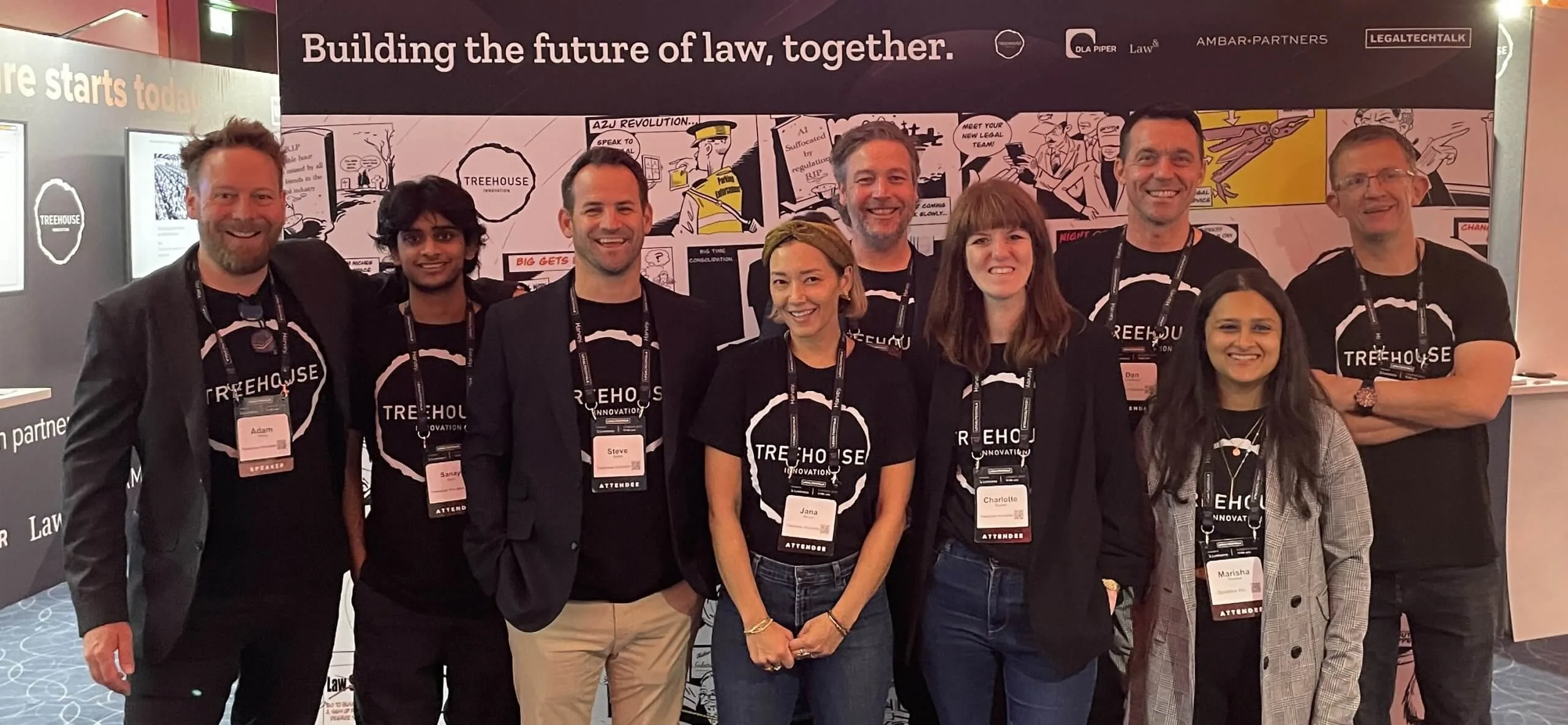
We are a multidisciplinary team of accomplished and creative people hailing from the worlds of design, business, and academia – and all seasoned design thinkers. We love what we do, we are easy to work with, and we share our clients' high expectations for quality, originality and measurable value in everything we do.
Case studies Discover how we've helped businesses like yours